Buy lovebag.eu ?
We are moving the project
lovebag.eu .
Are you interested in purchasing the domain
lovebag.eu ?
domain@kv-gmbh.de · 0541-91531010
Buy lovebag.eu ?
What is the difference between a forensic pathologist and a pathologist?
A forensic pathologist is a medical doctor who specializes in investigating the cause of death in cases of suspicious or unnatural deaths, such as homicides, accidents, or drug overdoses. They work closely with law enforcement and may perform autopsies to gather evidence for legal investigations. On the other hand, a pathologist is a medical doctor who studies the causes and effects of diseases, typically through examining tissues and bodily fluids. They diagnose diseases and help guide treatment decisions for patients. While both types of doctors study the human body and its diseases, forensic pathologists focus on determining the cause of death in legal cases, while pathologists focus on diagnosing diseases in living patients. **
What does a forensic pathologist do and what does a pathologist do?
A forensic pathologist is a medical doctor who specializes in investigating the cause of death in cases of suspicious or unnatural deaths. They perform autopsies, examine tissue samples, and analyze medical records to determine the cause of death. On the other hand, a pathologist is a medical doctor who studies the causes and effects of diseases. They analyze tissue samples, blood samples, and other bodily fluids to diagnose diseases and provide treatment recommendations. Both forensic pathologists and pathologists play crucial roles in the medical field by helping to determine the cause of death and diagnose diseases, respectively. **


Similar search terms for Pathologist
Top-Angebote
Products related to Pathologist:
-
Women's Faux Velvet Bow Clutch Handbag by Accessories For All in BlackMake a statement with this bow clutch, a chic accessory that blends feminine style with everyday versatility. Designed to be worn as a clutch or shoulder bag, it keeps your essentials organized while elevating your outfit. Style it with evening...76,99 $*Shipping: 0,00 $Secure redirect to the provider
-
Uplifted Finds Clear Purse And Handbag Closet Divider Rack Transparent Wardrobe Storage Shelf Organizer Clear Purse And Handbag Closet Divider Rack Transparent Wardrobe Storage Shelf OrganizerTake absolute control of your closet real estate and establish flawless structural order over your luxury accessories with this transparent handbag storage organizer rack. Masterfully engineered with a modular slot layout, this highutility...139,97 $*Shipping: 0,00 $Secure redirect to the provider
-
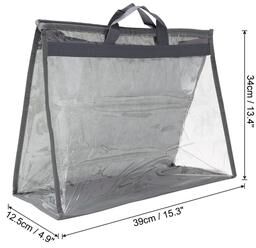
Unique Handbag Dust Bags, Clear Purse Storage Organizer Dustproof 1 PieceHandbag Dust Bags are great for organizing handbags, purses, scarves, gloves, etc, they are easily hang in closet, door, shelves to make your closet look neat and organized.22,39 $*Shipping: 0,00 $Secure redirect to the provider
-
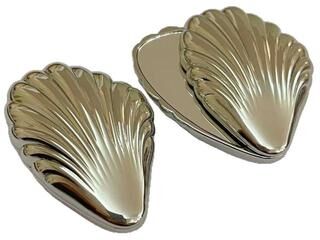
Fusion Finds Seashell Compact Makeup Mirror Double Sided Travel Metal Pocket Mirror For Purse & Handbag Seashell Compact Makeup Mirror Double Sided Travel Metal Pocket Mirror For Purse & HandbagA beautiful mirror should be as stylish as the person carrying it. This travel makeup mirror features an elegant seashellinspired design with doublesided mirrors, making quick touchups effortless wherever you go. Crafted from durable metal with a...39,97 $*Shipping: 0,00 $Secure redirect to the provider



-
What is the daily life of a forensic pathologist or pathologist like?
A forensic pathologist's daily life involves conducting autopsies to determine the cause of death in cases of suspicious or unexplained deaths. They examine tissue samples, organs, and fluids to identify injuries, diseases, or toxins that may have contributed to the death. They also analyze medical records, collaborate with law enforcement and legal professionals, and testify in court as expert witnesses. Additionally, they may oversee the work of pathology technicians and communicate their findings to families and other medical professionals. Overall, their work is crucial in providing answers and closure to families, as well as supporting the justice system. **
-
Would you like to do an internship with a forensic pathologist or a pathologist?
As an AI, I don't have personal preferences, but I can provide some insights. Both forensic pathologists and pathologists play crucial roles in the field of medicine. If you are interested in the intersection of medicine and law, then an internship with a forensic pathologist may be more suitable as it involves working on cases involving criminal investigations. On the other hand, if you are more interested in the study of diseases and their effects on the human body, then an internship with a pathologist may be a better fit. Ultimately, the choice would depend on your specific interests and career goals within the field of medicine. **
-
How can I become a pathologist?
To become a pathologist, you will need to complete a bachelor's degree in a relevant field such as biology, chemistry, or pre-med. After completing your undergraduate degree, you will need to attend medical school and earn a Doctor of Medicine (M.D.) or Doctor of Osteopathic Medicine (D.O.) degree. Following medical school, you will need to complete a residency program in pathology, which typically lasts for four years. After completing your residency, you may choose to pursue a fellowship in a specialized area of pathology, such as surgical pathology or forensic pathology. Finally, you will need to obtain board certification in pathology by passing the certification exam administered by the American Board of Pathology. **
-
Is a forensic pathologist a civil servant?
No, a forensic pathologist is not typically considered a civil servant. Forensic pathologists are medical doctors who specialize in investigating the cause of death in cases of suspicious or unnatural circumstances. They are usually employed by government agencies, medical examiners' offices, or hospitals, but they are not classified as civil servants in the traditional sense. Instead, they are considered medical professionals who provide expert testimony and analysis in legal cases. **

What professions are there, forensic pathologist or surgeon?
Forensic pathologists are medical doctors who specialize in investigating the cause of death in cases of suspicious or unexplained deaths. They perform autopsies and analyze tissue samples to determine the cause of death. Surgeons, on the other hand, are medical doctors who specialize in performing surgical procedures to treat injuries, diseases, and deformities. They may specialize in various areas such as orthopedic surgery, neurosurgery, or cardiovascular surgery. Both professions require extensive medical training and expertise, but they have different focuses and responsibilities. **
Can I do an internship as a forensic pathologist?
Yes, it is possible to do an internship as a forensic pathologist. Many medical schools and forensic pathology programs offer internship opportunities for students interested in pursuing a career in this field. These internships provide hands-on experience working in a forensic pathology setting, allowing students to gain valuable skills and knowledge in the field. It is recommended to reach out to local medical examiners' offices or forensic pathology departments to inquire about internship opportunities and requirements. **
Top-Angebote
Products related to Pathologist:
-
ModernMart Tulip Print Canvas Tote Bag Reusable Floral Handbag Backpack Tulip Print Canvas Tote Bag Reusable Floral Handbag BackpackAdd a touch of charm to your everyday routine with this beautifully designed tulip print canvas tote bag. Lightweight yet durable, its perfect for women who want both style and practicality in one accessory. This versatile reusable shopping bag...39,97 $*Shipping: 0,00 $Secure redirect to the provider
-
Women's Loungefly x Disney Alice in Wonderland Mini Backpack Handbag Purse by Loungefly in Pink (Size ONE SIZE)Loungefly x Disney Alice in Wonderland Mini Backpack Handbag.On the front, Disneys Alice appears at the head of the table, her glittery pink chair rising up in die-cut applique detail. Disneys Mad Hatter pours the tea, and the March Hare joins in at...85,00 $*Shipping: 0,00 $Secure redirect to the provider
-
Women's Faux Velvet Bow Clutch Handbag by Accessories For All in BlackMake a statement with this bow clutch, a chic accessory that blends feminine style with everyday versatility. Designed to be worn as a clutch or shoulder bag, it keeps your essentials organized while elevating your outfit. Style it with evening...76,99 $*Shipping: 0,00 $Secure redirect to the provider
-
Uplifted Finds Clear Purse And Handbag Closet Divider Rack Transparent Wardrobe Storage Shelf Organizer Clear Purse And Handbag Closet Divider Rack Transparent Wardrobe Storage Shelf OrganizerTake absolute control of your closet real estate and establish flawless structural order over your luxury accessories with this transparent handbag storage organizer rack. Masterfully engineered with a modular slot layout, this highutility...139,97 $*Shipping: 0,00 $Secure redirect to the provider
-
What is the difference between a forensic pathologist and a pathologist?
A forensic pathologist is a medical doctor who specializes in investigating the cause of death in cases of suspicious or unnatural deaths, such as homicides, accidents, or drug overdoses. They work closely with law enforcement and may perform autopsies to gather evidence for legal investigations. On the other hand, a pathologist is a medical doctor who studies the causes and effects of diseases, typically through examining tissues and bodily fluids. They diagnose diseases and help guide treatment decisions for patients. While both types of doctors study the human body and its diseases, forensic pathologists focus on determining the cause of death in legal cases, while pathologists focus on diagnosing diseases in living patients. **
-
What does a forensic pathologist do and what does a pathologist do?
A forensic pathologist is a medical doctor who specializes in investigating the cause of death in cases of suspicious or unnatural deaths. They perform autopsies, examine tissue samples, and analyze medical records to determine the cause of death. On the other hand, a pathologist is a medical doctor who studies the causes and effects of diseases. They analyze tissue samples, blood samples, and other bodily fluids to diagnose diseases and provide treatment recommendations. Both forensic pathologists and pathologists play crucial roles in the medical field by helping to determine the cause of death and diagnose diseases, respectively. **
-
What is the daily life of a forensic pathologist or pathologist like?
A forensic pathologist's daily life involves conducting autopsies to determine the cause of death in cases of suspicious or unexplained deaths. They examine tissue samples, organs, and fluids to identify injuries, diseases, or toxins that may have contributed to the death. They also analyze medical records, collaborate with law enforcement and legal professionals, and testify in court as expert witnesses. Additionally, they may oversee the work of pathology technicians and communicate their findings to families and other medical professionals. Overall, their work is crucial in providing answers and closure to families, as well as supporting the justice system. **
-
Would you like to do an internship with a forensic pathologist or a pathologist?
As an AI, I don't have personal preferences, but I can provide some insights. Both forensic pathologists and pathologists play crucial roles in the field of medicine. If you are interested in the intersection of medicine and law, then an internship with a forensic pathologist may be more suitable as it involves working on cases involving criminal investigations. On the other hand, if you are more interested in the study of diseases and their effects on the human body, then an internship with a pathologist may be a better fit. Ultimately, the choice would depend on your specific interests and career goals within the field of medicine. **
Similar search terms for Pathologist
-
Unique Handbag Dust Bags, Clear Purse Storage Organizer Dustproof 1 PieceHandbag Dust Bags are great for organizing handbags, purses, scarves, gloves, etc, they are easily hang in closet, door, shelves to make your closet look neat and organized.22,39 $*Shipping: 0,00 $Secure redirect to the provider
-
Fusion Finds Seashell Compact Makeup Mirror Double Sided Travel Metal Pocket Mirror For Purse & Handbag Seashell Compact Makeup Mirror Double Sided Travel Metal Pocket Mirror For Purse & HandbagA beautiful mirror should be as stylish as the person carrying it. This travel makeup mirror features an elegant seashellinspired design with doublesided mirrors, making quick touchups effortless wherever you go. Crafted from durable metal with a...39,97 $*Shipping: 0,00 $Secure redirect to the provider
-
Unique Handbag Dust Bags, Clear Purse Storage Organizer Dustproof 1 PieceHandbag Dust Bags are great for organizing handbags, purses, scarves, gloves, etc, they are easily hang in closet, door, shelves to make your closet look neat and organized.23,79 $*Shipping: 0,00 $Secure redirect to the provider
-
Unique Handbag Dust Bags, Clear Purse Storage Organizer Dustproof 1 PieceHandbag Dust Bags are great for organizing handbags, purses, scarves, gloves, etc, they are easily hang in closet, door, shelves to make your closet look neat and organized.23,99 $*Shipping: 0,00 $Secure redirect to the provider
-
How can I become a pathologist?
To become a pathologist, you will need to complete a bachelor's degree in a relevant field such as biology, chemistry, or pre-med. After completing your undergraduate degree, you will need to attend medical school and earn a Doctor of Medicine (M.D.) or Doctor of Osteopathic Medicine (D.O.) degree. Following medical school, you will need to complete a residency program in pathology, which typically lasts for four years. After completing your residency, you may choose to pursue a fellowship in a specialized area of pathology, such as surgical pathology or forensic pathology. Finally, you will need to obtain board certification in pathology by passing the certification exam administered by the American Board of Pathology. **
-
Is a forensic pathologist a civil servant?
No, a forensic pathologist is not typically considered a civil servant. Forensic pathologists are medical doctors who specialize in investigating the cause of death in cases of suspicious or unnatural circumstances. They are usually employed by government agencies, medical examiners' offices, or hospitals, but they are not classified as civil servants in the traditional sense. Instead, they are considered medical professionals who provide expert testimony and analysis in legal cases. **
-
What professions are there, forensic pathologist or surgeon?
Forensic pathologists are medical doctors who specialize in investigating the cause of death in cases of suspicious or unexplained deaths. They perform autopsies and analyze tissue samples to determine the cause of death. Surgeons, on the other hand, are medical doctors who specialize in performing surgical procedures to treat injuries, diseases, and deformities. They may specialize in various areas such as orthopedic surgery, neurosurgery, or cardiovascular surgery. Both professions require extensive medical training and expertise, but they have different focuses and responsibilities. **
-
Can I do an internship as a forensic pathologist?
Yes, it is possible to do an internship as a forensic pathologist. Many medical schools and forensic pathology programs offer internship opportunities for students interested in pursuing a career in this field. These internships provide hands-on experience working in a forensic pathology setting, allowing students to gain valuable skills and knowledge in the field. It is recommended to reach out to local medical examiners' offices or forensic pathology departments to inquire about internship opportunities and requirements. **
* All prices are inclusive of VAT and, if applicable, plus shipping costs. The offer information is based on the details provided by the respective shop and is updated through automated processes. Real-time updates do not occur, so deviations can occur in individual cases. ** Note: Parts of this content were created by AI.