Buy lovebag.eu ?
We are moving the project
lovebag.eu .
Are you interested in purchasing the domain
lovebag.eu ?
domain@kv-gmbh.de · 0541-91531010
Buy lovebag.eu ?
What is the magnetic field inside a coil?
The magnetic field inside a coil is typically uniform and parallel to the axis of the coil. The strength of the magnetic field is directly proportional to the number of turns in the coil and the current flowing through it, as described by the equation B = μ0 * n * I, where B is the magnetic field strength, μ0 is the permeability of free space, n is the number of turns in the coil, and I is the current. The direction of the magnetic field can be determined using the right-hand rule, where the fingers of the right hand curl in the direction of the current flow and the thumb points in the direction of the magnetic field. **
When does a magnetic field form around the coil?
A magnetic field forms around a coil when an electric current flows through it. This is due to the movement of the electric charges in the wire, creating a magnetic field perpendicular to the direction of the current flow. The strength of the magnetic field is directly proportional to the amount of current flowing through the coil. **
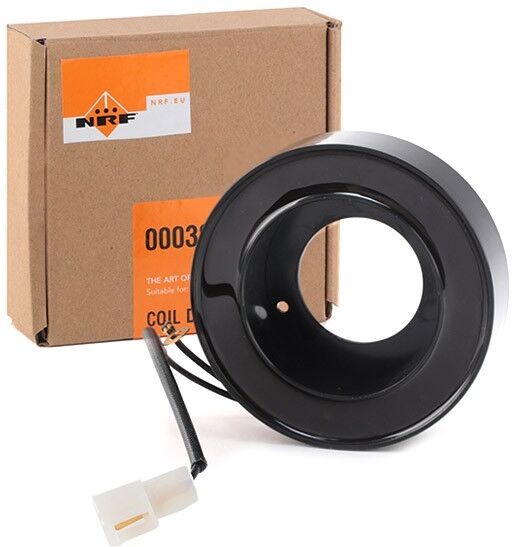

Similar search terms for NRF-38447-Coil-magnetic-clutch
Top-Angebote
Products related to NRF-38447-Coil-magnetic-clutch:
-
NRF 380014 Coil, magnetic-clutch compressorManufacturer Restriction: GENUINE SANDEN; Compressor ID: SD7V16; Voltage [V]: 12; Number of grooves 2: 6; Belt Pulley Diameter 1 [mm]: 120; for wheel bearing diameter [mm]: 35, 55; Shape: oval; Vehicle type: Bora46,49 £*Shipping: 8,45 £Secure redirect to the provider


-
What is the relationship between magnetic field and coil?
The relationship between magnetic field and coil is that when an electric current flows through a coil, it generates a magnetic field around the coil. This is known as electromagnetism. The strength of the magnetic field is directly proportional to the amount of current flowing through the coil. Additionally, the number of turns in the coil also affects the strength of the magnetic field. This relationship is fundamental to the operation of devices such as electromagnets, transformers, and electric motors. **
-
Is the magnetic flux density of the magnetic field generated by a current-carrying coil dependent on the applied voltage to the coil?
The magnetic flux density of the magnetic field generated by a current-carrying coil is not directly dependent on the applied voltage to the coil. The magnetic flux density is primarily determined by the current flowing through the coil and the number of turns in the coil. However, the applied voltage does indirectly affect the magnetic field through its influence on the current flowing through the coil. A higher applied voltage can result in a higher current, which in turn can lead to a stronger magnetic field. Therefore, while the applied voltage itself does not directly determine the magnetic flux density, it can indirectly influence it through its effect on the current. **
-
How does a square coil behave in a magnetic field?
A square coil behaves in a magnetic field by experiencing a force and torque due to the interaction between the magnetic field and the current flowing through the coil. The coil will tend to align itself with the magnetic field lines, resulting in a stable orientation. The magnetic field can induce a current in the coil if it is changing, leading to electromagnetic induction. The behavior of the square coil in a magnetic field can be further influenced by the shape and size of the coil, as well as the strength and direction of the magnetic field. **
-
What function do the magnetic fields have in a coil?
The magnetic fields in a coil play a crucial role in generating an electromotive force (EMF) when there is a change in the magnetic flux through the coil. This EMF is what drives the flow of electric current in the coil, making it a fundamental component in the operation of electric motors, generators, transformers, and other electrical devices. Additionally, the magnetic fields in a coil also interact with other magnetic fields to produce mechanical forces, as seen in the operation of solenoids and electromagnetic actuators. **


What happens to a coil in a homogeneous magnetic field?
When a coil is placed in a homogeneous magnetic field, it will experience a force due to the interaction between the magnetic field and the current flowing through the coil. This force will cause the coil to rotate or move, depending on the orientation of the coil and the direction of the magnetic field. Additionally, the coil will also induce an electromotive force (emf) due to the change in magnetic flux as it moves within the magnetic field. This induced emf can be used to generate electrical power or to measure the strength of the magnetic field. **
How do the magnetic field lines run in a coil?
In a coil, the magnetic field lines run in a series of loops that follow the shape of the coil. The field lines are concentrated within the coil and form a pattern that resembles the shape of the coil. The direction of the magnetic field lines depends on the direction of the current flowing through the coil, following the right-hand rule. The magnetic field lines are strongest inside the coil and become weaker as they extend outside the coil. **
Top-Angebote
Products related to NRF-38447-Coil-magnetic-clutch:
-
NRF 38447 Coil, magnetic-clutch compressorManufacturer Restriction: DENSO; Compressor ID: 10PA, 7SB / 7SBU; Voltage [V]: 12; Vehicle type: Sprinter 412D, Sprinter 414, Shogun, Cherokee, Sedona, 330i xDrive Touring, Daily 40C13, Zafira, Zafira Van, Montero, Estima Lucida, Trakker AT190T44, Trakker AD380T3817,49 £*Shipping: 8,45 £Secure redirect to the provider
-
What is the magnetic field inside a coil?
The magnetic field inside a coil is typically uniform and parallel to the axis of the coil. The strength of the magnetic field is directly proportional to the number of turns in the coil and the current flowing through it, as described by the equation B = μ0 * n * I, where B is the magnetic field strength, μ0 is the permeability of free space, n is the number of turns in the coil, and I is the current. The direction of the magnetic field can be determined using the right-hand rule, where the fingers of the right hand curl in the direction of the current flow and the thumb points in the direction of the magnetic field. **
-
When does a magnetic field form around the coil?
A magnetic field forms around a coil when an electric current flows through it. This is due to the movement of the electric charges in the wire, creating a magnetic field perpendicular to the direction of the current flow. The strength of the magnetic field is directly proportional to the amount of current flowing through the coil. **
-
What is the relationship between magnetic field and coil?
The relationship between magnetic field and coil is that when an electric current flows through a coil, it generates a magnetic field around the coil. This is known as electromagnetism. The strength of the magnetic field is directly proportional to the amount of current flowing through the coil. Additionally, the number of turns in the coil also affects the strength of the magnetic field. This relationship is fundamental to the operation of devices such as electromagnets, transformers, and electric motors. **
-
Is the magnetic flux density of the magnetic field generated by a current-carrying coil dependent on the applied voltage to the coil?
The magnetic flux density of the magnetic field generated by a current-carrying coil is not directly dependent on the applied voltage to the coil. The magnetic flux density is primarily determined by the current flowing through the coil and the number of turns in the coil. However, the applied voltage does indirectly affect the magnetic field through its influence on the current flowing through the coil. A higher applied voltage can result in a higher current, which in turn can lead to a stronger magnetic field. Therefore, while the applied voltage itself does not directly determine the magnetic flux density, it can indirectly influence it through its effect on the current. **
Similar search terms for NRF-38447-Coil-magnetic-clutch
-
NRF 380014 Coil, magnetic-clutch compressorManufacturer Restriction: GENUINE SANDEN; Compressor ID: SD7V16; Voltage [V]: 12; Number of grooves 2: 6; Belt Pulley Diameter 1 [mm]: 120; for wheel bearing diameter [mm]: 35, 55; Shape: oval; Vehicle type: Bora46,49 £*Shipping: 8,45 £Secure redirect to the provider
-
NRF 380021 Coil, magnetic-clutch compressorManufacturer Restriction: GENUINE DELPHI; Compressor ID: CVC; Voltage [V]: 12; Number of grooves 2: 6; Belt Pulley Diameter 1 [mm]: 109; Belt Pulley Diameter 2 [mm]: 105; for wheel bearing diameter [mm]: 35, 52; Height of clutch release bearing [mm]: 2055,49 £*Shipping: 8,45 £Secure redirect to the provider
-
How does a square coil behave in a magnetic field?
A square coil behaves in a magnetic field by experiencing a force and torque due to the interaction between the magnetic field and the current flowing through the coil. The coil will tend to align itself with the magnetic field lines, resulting in a stable orientation. The magnetic field can induce a current in the coil if it is changing, leading to electromagnetic induction. The behavior of the square coil in a magnetic field can be further influenced by the shape and size of the coil, as well as the strength and direction of the magnetic field. **
-
What function do the magnetic fields have in a coil?
The magnetic fields in a coil play a crucial role in generating an electromotive force (EMF) when there is a change in the magnetic flux through the coil. This EMF is what drives the flow of electric current in the coil, making it a fundamental component in the operation of electric motors, generators, transformers, and other electrical devices. Additionally, the magnetic fields in a coil also interact with other magnetic fields to produce mechanical forces, as seen in the operation of solenoids and electromagnetic actuators. **
-
What happens to a coil in a homogeneous magnetic field?
When a coil is placed in a homogeneous magnetic field, it will experience a force due to the interaction between the magnetic field and the current flowing through the coil. This force will cause the coil to rotate or move, depending on the orientation of the coil and the direction of the magnetic field. Additionally, the coil will also induce an electromotive force (emf) due to the change in magnetic flux as it moves within the magnetic field. This induced emf can be used to generate electrical power or to measure the strength of the magnetic field. **
-
How do the magnetic field lines run in a coil?
In a coil, the magnetic field lines run in a series of loops that follow the shape of the coil. The field lines are concentrated within the coil and form a pattern that resembles the shape of the coil. The direction of the magnetic field lines depends on the direction of the current flowing through the coil, following the right-hand rule. The magnetic field lines are strongest inside the coil and become weaker as they extend outside the coil. **
* All prices are inclusive of VAT and, if applicable, plus shipping costs. The offer information is based on the details provided by the respective shop and is updated through automated processes. Real-time updates do not occur, so deviations can occur in individual cases. ** Note: Parts of this content were created by AI.