Buy lovebag.eu ?
We are moving the project
lovebag.eu .
Are you interested in purchasing the domain
lovebag.eu ?
domain@kv-gmbh.de · 0541-91531010
Buy lovebag.eu ?
Is it a load-bearing or non-load-bearing wall?
Without further information or context, it is impossible to determine if the wall in question is load-bearing or non-load-bearing. Load-bearing walls are designed to support the weight of a structure, while non-load-bearing walls are primarily used for dividing spaces and do not support structural weight. It is important to consult a structural engineer or building professional to assess the specific characteristics of the wall in question to determine its load-bearing capacity. **
'How do I recognize a load-bearing and a non-load-bearing wall?'
Load-bearing walls are typically located in the center of a building or perpendicular to the floor joists. They are usually made of thicker, stronger materials such as concrete, brick, or solid wood. Non-load-bearing walls, on the other hand, are often located on the perimeter of a building and are made of lighter materials such as drywall or wood studs. Additionally, load-bearing walls are essential for the structural integrity of a building, while non-load-bearing walls are primarily used for dividing space and can be removed without compromising the building's stability. If you are unsure, it is best to consult with a structural engineer or building professional to determine the load-bearing status of a wall. **


Similar search terms for Load-bearing
Top-Angebote
Products related to Load-bearing:


-
Is this beam load-bearing?
Without further information or context, it is difficult to determine if the beam is load-bearing. Load-bearing beams are designed to support the weight of a structure, so it would depend on the specific design and purpose of the beam in question. It is important to consult with a structural engineer or construction professional to properly assess whether a beam is load-bearing or not. **
-
Is it a load-bearing wall?
To determine if a wall is load-bearing, you would need to consult a structural engineer or architect. They would be able to assess the construction of the wall, the layout of the building, and the load it is currently supporting. Factors such as the wall's thickness, the materials used, and its position in relation to the rest of the structure would all be taken into consideration to determine if it is load-bearing. It is important to consult a professional before making any decisions regarding load-bearing walls to ensure the structural integrity of the building is maintained. **
-
Is this a load-bearing wall?
Determining if a wall is load-bearing requires a professional assessment by a structural engineer or contractor. Factors such as the wall's location, construction materials, and the layout of the building all play a role in determining if a wall is load-bearing. It is important to consult with a professional before making any decisions about modifying or removing a wall in order to ensure the structural integrity of the building is maintained. **
-
What is a load-bearing rope section?
A load-bearing rope section is a portion of a rope that is designed to bear the weight or load of an object. This section of the rope is typically reinforced and constructed to withstand the forces exerted on it when lifting, pulling, or securing heavy objects. Load-bearing rope sections are crucial for ensuring the safety and stability of various applications, such as rock climbing, construction, and rescue operations. These sections are often identified and marked to indicate their load-bearing capacity and usage limitations. **


Do the beams have a load-bearing function?
Yes, beams typically have a load-bearing function in a structure. They are designed to support the weight of the structure and transfer the loads to the columns or walls. Beams are essential components in providing structural stability and ensuring the integrity of the building. The size, material, and placement of beams are carefully calculated to ensure they can effectively bear the loads placed upon them. **
How can one replace a load-bearing support?
Replacing a load-bearing support is a complex and potentially dangerous task that should be done by a professional contractor or structural engineer. The process typically involves temporarily supporting the load with jacks or other means, removing the existing support, and then installing a new support in its place. It is crucial to ensure that the new support is properly sized and installed to bear the weight of the structure safely. Additionally, local building codes and regulations should be followed to ensure the structural integrity of the building. **
Top-Angebote
Products related to Load-bearing:
-
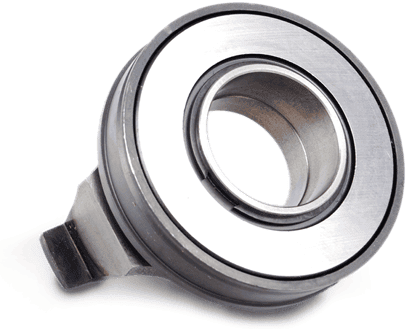
KAWE 989357 Clutch release bearingParameter: HK; Vehicle Identification Number (VIN) from: A521684, F655710, A508036, F640695, B 065854, F 122359; Construction Year from: 09/1989, 03/2003; TecDoc Engine Number: 2229, 2131, 5235, 2133, 5236, 5241, 4667, 20509, 16450; Vehicle Equipment: for vehicles with air conditioning; Transmission number from: 717.412 6 411744; Engine Code: OM601, OM602, OM 602LA DE; Vehicle type: 601.467, 461.328/329/337/338, 341/367/368, 463.324/325, 667.321-323, 667.351-353, 668.321-323, 668.331, 668.332, 668.351-353, 670.321-324, 670.331, 670.332, 670.351-353; Construction Year to: 10/1988; Transmission Code: 711.116/117, 717 465, 717.445, 717; Engine Features/Arrangement: for engines with dual-mass flywheel; Vehicle Identification Number (VIN) to: A962231, X027613, A 962231; Transmission Type: 5-Speed Manual Transmission; Manufacturer Restriction: SA 504097/03, SA 504096/035,99 £*Shipping: 8,45 £Secure redirect to the provider
-
Is it a load-bearing or non-load-bearing wall?
Without further information or context, it is impossible to determine if the wall in question is load-bearing or non-load-bearing. Load-bearing walls are designed to support the weight of a structure, while non-load-bearing walls are primarily used for dividing spaces and do not support structural weight. It is important to consult a structural engineer or building professional to assess the specific characteristics of the wall in question to determine its load-bearing capacity. **
-
'How do I recognize a load-bearing and a non-load-bearing wall?'
Load-bearing walls are typically located in the center of a building or perpendicular to the floor joists. They are usually made of thicker, stronger materials such as concrete, brick, or solid wood. Non-load-bearing walls, on the other hand, are often located on the perimeter of a building and are made of lighter materials such as drywall or wood studs. Additionally, load-bearing walls are essential for the structural integrity of a building, while non-load-bearing walls are primarily used for dividing space and can be removed without compromising the building's stability. If you are unsure, it is best to consult with a structural engineer or building professional to determine the load-bearing status of a wall. **
-
Is this beam load-bearing?
Without further information or context, it is difficult to determine if the beam is load-bearing. Load-bearing beams are designed to support the weight of a structure, so it would depend on the specific design and purpose of the beam in question. It is important to consult with a structural engineer or construction professional to properly assess whether a beam is load-bearing or not. **
-
Is it a load-bearing wall?
To determine if a wall is load-bearing, you would need to consult a structural engineer or architect. They would be able to assess the construction of the wall, the layout of the building, and the load it is currently supporting. Factors such as the wall's thickness, the materials used, and its position in relation to the rest of the structure would all be taken into consideration to determine if it is load-bearing. It is important to consult a professional before making any decisions regarding load-bearing walls to ensure the structural integrity of the building is maintained. **
Similar search terms for Load-bearing
-
RIDEX 48R0012 Clutch release bearingVehicle Identification Number (VIN) from: A521684, F655710, A508036, F640695; Construction Year from: 09/1989; Engine Code: OM605.910, OM605.911, OM601, OM602, M111.920, M111.921, OM602LA, M111.979, M111.948, M111.978, M111.945, 111.975, 103.987, 117.965, AUH,BCQ, AUH, ATA, AGK, OM 602LA DE, OM602DE LA, OM602 LA DE; Transmission number from: 717.412 6 411744; Vehicle Equipment: for vehicles with air conditioning; Vehicle type: 601.467, 461.328/329/337/338, 341/367/368, 638.114, 638.234, 638.134, 638.214, 638.014, 638.034, 667.321-323, 667.351-353, 668.321-323, 668.331, 668.332, 668.351-353; Transmission Code: 711.116/117, 717 465, 717.445, 717; Engine Features/Arrangement: for engines with dual-mass flywheel, for engines without dual-mass flywheel; Vehicle Identification Number (VIN) to: A962231, X027613; Transmission Type: Manual Transmission, 5-Speed Manual Transmission; Construction Year to: 08/1993; Manufacturer Restriction: SA 504097/03, SA 504096/039,29 £*Shipping: 8,45 £Secure redirect to the provider
-
Inspired Finds Cat Shaped Desk Side Backpack Hook No Punch Strong Load Bearing Foldable Hanger 1 Or 2pcs beigeKeep your bag off the floor and your essentials within reach with this cat backpack hook designed for student desks, office tables, and home workspaces. It clamps neatly to the desk edge with a nodrill design, so you can hang backpacks, handbags, or...34,99 $*Shipping: 0,00 $Secure redirect to the provider
-
Is this a load-bearing wall?
Determining if a wall is load-bearing requires a professional assessment by a structural engineer or contractor. Factors such as the wall's location, construction materials, and the layout of the building all play a role in determining if a wall is load-bearing. It is important to consult with a professional before making any decisions about modifying or removing a wall in order to ensure the structural integrity of the building is maintained. **
-
What is a load-bearing rope section?
A load-bearing rope section is a portion of a rope that is designed to bear the weight or load of an object. This section of the rope is typically reinforced and constructed to withstand the forces exerted on it when lifting, pulling, or securing heavy objects. Load-bearing rope sections are crucial for ensuring the safety and stability of various applications, such as rock climbing, construction, and rescue operations. These sections are often identified and marked to indicate their load-bearing capacity and usage limitations. **
-
Do the beams have a load-bearing function?
Yes, beams typically have a load-bearing function in a structure. They are designed to support the weight of the structure and transfer the loads to the columns or walls. Beams are essential components in providing structural stability and ensuring the integrity of the building. The size, material, and placement of beams are carefully calculated to ensure they can effectively bear the loads placed upon them. **
-
How can one replace a load-bearing support?
Replacing a load-bearing support is a complex and potentially dangerous task that should be done by a professional contractor or structural engineer. The process typically involves temporarily supporting the load with jacks or other means, removing the existing support, and then installing a new support in its place. It is crucial to ensure that the new support is properly sized and installed to bear the weight of the structure safely. Additionally, local building codes and regulations should be followed to ensure the structural integrity of the building. **
* All prices are inclusive of VAT and, if applicable, plus shipping costs. The offer information is based on the details provided by the respective shop and is updated through automated processes. Real-time updates do not occur, so deviations can occur in individual cases. ** Note: Parts of this content were created by AI.