Buy lovebag.eu ?
We are moving the project
lovebag.eu .
Are you interested in purchasing the domain
lovebag.eu ?
domain@kv-gmbh.de · 0541-91531010
Buy lovebag.eu ?
Backpack or handbag?
It ultimately depends on the individual's needs and preferences. A backpack is often more practical for carrying heavier items and distributing weight evenly, making it a good choice for commuting, traveling, or outdoor activities. On the other hand, a handbag may be more suitable for professional or formal settings, as well as for carrying lighter items. Some people may even opt for both, using a backpack for daily essentials and a handbag for more formal occasions. **
What is the difference in fuel consumption between disengaging the clutch and pressing the clutch?
Disengaging the clutch means separating the engine from the transmission, allowing the engine to continue running while the vehicle is not moving. Pressing the clutch, on the other hand, means disengaging the engine from the transmission while the vehicle is in motion, allowing the engine to idle without transferring power to the wheels. In both cases, the engine continues to run, but pressing the clutch while the vehicle is in motion will result in higher fuel consumption because the engine is still running but not providing any power to the wheels. Disengaging the clutch while the vehicle is stationary will result in minimal fuel consumption as the engine is idling without any load. **

Similar search terms for Fuel
Top-Angebote
Products related to Fuel:
-
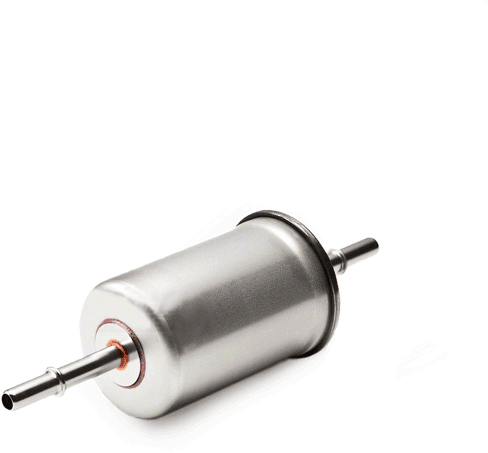
UFI 31.003.00 Fuel filterFilter type: Filter Insert; max. length [mm]: 76; Inlet Diameter [mm]: 8; Outlet Diameter [mm]: 8; Height: 88; Outer Diameter [mm]: 41; Outer Diameter 1 [mm]: 55; Construction Year from: 06/1980, 11/1978, 04/1987; Construction Year to: 05/1982, 05/1984, 12/1983, 08/1992, 02/1981, 02/1985, 08/1994, 06/1992; Vehicle type: Atlas5,99 £*Shipping: 8,45 £Secure redirect to the provider
-
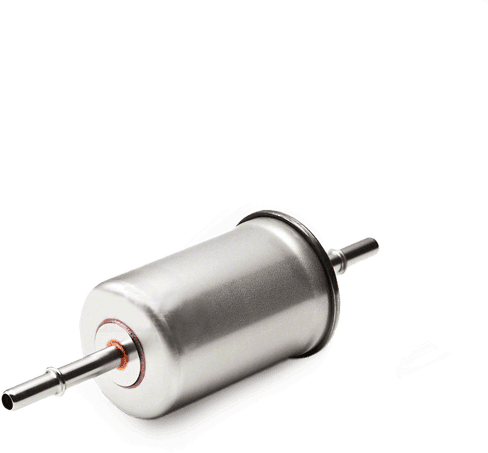
UFI 31.843.00 Fuel filterFilter type: Filter Insert; Inlet Diameter [mm]: 7,9; Outlet Diameter [mm]: 7,9; Height: 162; Outer Diameter [mm]: 55; Outer Diameter 1 [mm]: 60; Construction Year to: 02/2010, 03/2013, 12/1999, 07/2003, 08/2000, 12/2004, 12/2001, 12/2002, 12/2008, 12/2010, 10/2008, 09/2010, 03/2009, 09/2009, 12/2006, 08/2014, 03/2005, 03/2004, 08/2003, 12/2011; Vehicle Identification Number (VIN) from: 244381, 175784, 144958; Construction Year from: 06/1998, 08/2001, 10/2010, 01/2008, 09/2005, 01/20055,59 £*Shipping: 8,45 £Secure redirect to the provider


-
How can one save fuel by coasting with the clutch engaged?
Coasting with the clutch engaged can save fuel by allowing the engine to idle without using fuel. By disengaging the engine from the transmission, the vehicle can roll freely without the engine having to work. This can be effective when approaching a stop sign or going downhill, as it reduces the need for the engine to consume fuel while maintaining momentum. However, it is important to note that coasting with the clutch engaged can put extra strain on the clutch and transmission components, so it should be done judiciously. **
-
How can you save fuel by coasting with the clutch engaged?
Coasting with the clutch engaged can save fuel by allowing the engine to idle without consuming fuel. By disengaging the engine from the transmission, the vehicle can roll freely, reducing the need for fuel consumption. However, it is important to note that coasting with the clutch engaged can be dangerous as it reduces the driver's control over the vehicle and can lead to loss of power steering and braking assistance. It is recommended to only coast with the clutch engaged in safe and appropriate situations. **
-
Why does a car consume more fuel when the clutch is depressed?
When the clutch is depressed in a car, the engine continues to run even though the wheels are not engaged. This causes the engine to work harder to maintain its speed, leading to increased fuel consumption. Additionally, the engine may rev higher when the clutch is depressed, further increasing fuel usage. Overall, the inefficiency of running the engine without transferring power to the wheels results in higher fuel consumption. **
-
What happens if you fuel up with dirty fuel?
If you fuel up with dirty fuel, it can cause damage to your vehicle's engine and fuel system. Dirty fuel can contain contaminants such as dirt, water, and other impurities that can clog fuel filters, injectors, and other components. This can lead to decreased engine performance, reduced fuel efficiency, and potentially costly repairs. It's important to always use clean, high-quality fuel to ensure the proper functioning and longevity of your vehicle. **

Which fuel pump?
The choice of fuel pump depends on the specific requirements of the vehicle and its engine. Factors to consider include the engine's fuel consumption, the vehicle's fuel system pressure requirements, and the compatibility with the vehicle's electrical system. It's important to consult with a professional mechanic or refer to the vehicle's specifications to determine the most suitable fuel pump for the specific application. **
Why does a car consume more fuel when the clutch is pressed down?
When the clutch is pressed down in a car, the engine is disconnected from the wheels, which means the engine has to work harder to maintain its speed. This increased workload leads to higher fuel consumption as the engine needs to burn more fuel to generate the necessary power. Additionally, when the clutch is pressed down, the engine is not able to efficiently transfer power to the wheels, resulting in a loss of energy and increased fuel consumption. **
Top-Angebote
Products related to Fuel:
-
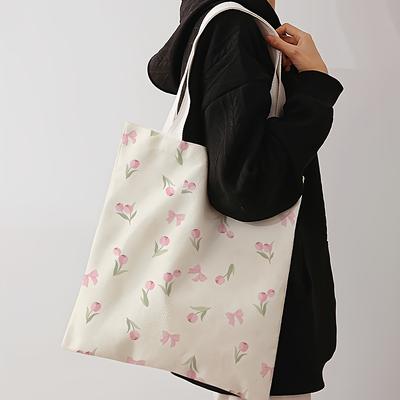
ModernMart Tulip Print Canvas Tote Bag Reusable Floral Handbag Backpack Tulip Print Canvas Tote Bag Reusable Floral Handbag BackpackAdd a touch of charm to your everyday routine with this beautifully designed tulip print canvas tote bag. Lightweight yet durable, its perfect for women who want both style and practicality in one accessory. This versatile reusable shopping bag...39,97 $*Shipping: 0,00 $Secure redirect to the provider
-
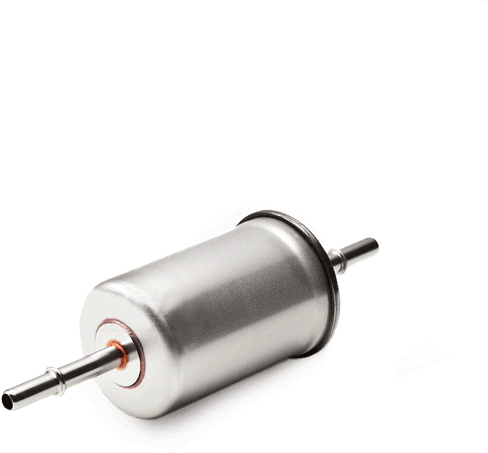
UFI 24.319.01 Fuel filterFilter type: Filter Insert; Thread Size 1: M 14 X 1,5; Height: 92; Inner Diameter [mm]: 61; Outer Diameter [mm]: 81; Outer Diameter 2 [mm]: 71; Construction Year to: 02/1985, 09/1982, 08/1989, 08/1981; Construction Year from: 08/1977, 10/1982, 08/19825,99 £*Shipping: 8,45 £Secure redirect to the provider
-
UFI 31.003.00 Fuel filterFilter type: Filter Insert; max. length [mm]: 76; Inlet Diameter [mm]: 8; Outlet Diameter [mm]: 8; Height: 88; Outer Diameter [mm]: 41; Outer Diameter 1 [mm]: 55; Construction Year from: 06/1980, 11/1978, 04/1987; Construction Year to: 05/1982, 05/1984, 12/1983, 08/1992, 02/1981, 02/1985, 08/1994, 06/1992; Vehicle type: Atlas5,99 £*Shipping: 8,45 £Secure redirect to the provider
-
UFI 31.843.00 Fuel filterFilter type: Filter Insert; Inlet Diameter [mm]: 7,9; Outlet Diameter [mm]: 7,9; Height: 162; Outer Diameter [mm]: 55; Outer Diameter 1 [mm]: 60; Construction Year to: 02/2010, 03/2013, 12/1999, 07/2003, 08/2000, 12/2004, 12/2001, 12/2002, 12/2008, 12/2010, 10/2008, 09/2010, 03/2009, 09/2009, 12/2006, 08/2014, 03/2005, 03/2004, 08/2003, 12/2011; Vehicle Identification Number (VIN) from: 244381, 175784, 144958; Construction Year from: 06/1998, 08/2001, 10/2010, 01/2008, 09/2005, 01/20055,59 £*Shipping: 8,45 £Secure redirect to the provider
-
Backpack or handbag?
It ultimately depends on the individual's needs and preferences. A backpack is often more practical for carrying heavier items and distributing weight evenly, making it a good choice for commuting, traveling, or outdoor activities. On the other hand, a handbag may be more suitable for professional or formal settings, as well as for carrying lighter items. Some people may even opt for both, using a backpack for daily essentials and a handbag for more formal occasions. **
-
What is the difference in fuel consumption between disengaging the clutch and pressing the clutch?
Disengaging the clutch means separating the engine from the transmission, allowing the engine to continue running while the vehicle is not moving. Pressing the clutch, on the other hand, means disengaging the engine from the transmission while the vehicle is in motion, allowing the engine to idle without transferring power to the wheels. In both cases, the engine continues to run, but pressing the clutch while the vehicle is in motion will result in higher fuel consumption because the engine is still running but not providing any power to the wheels. Disengaging the clutch while the vehicle is stationary will result in minimal fuel consumption as the engine is idling without any load. **
-
How can one save fuel by coasting with the clutch engaged?
Coasting with the clutch engaged can save fuel by allowing the engine to idle without using fuel. By disengaging the engine from the transmission, the vehicle can roll freely without the engine having to work. This can be effective when approaching a stop sign or going downhill, as it reduces the need for the engine to consume fuel while maintaining momentum. However, it is important to note that coasting with the clutch engaged can put extra strain on the clutch and transmission components, so it should be done judiciously. **
-
How can you save fuel by coasting with the clutch engaged?
Coasting with the clutch engaged can save fuel by allowing the engine to idle without consuming fuel. By disengaging the engine from the transmission, the vehicle can roll freely, reducing the need for fuel consumption. However, it is important to note that coasting with the clutch engaged can be dangerous as it reduces the driver's control over the vehicle and can lead to loss of power steering and braking assistance. It is recommended to only coast with the clutch engaged in safe and appropriate situations. **
Similar search terms for Fuel
-
Why does a car consume more fuel when the clutch is depressed?
When the clutch is depressed in a car, the engine continues to run even though the wheels are not engaged. This causes the engine to work harder to maintain its speed, leading to increased fuel consumption. Additionally, the engine may rev higher when the clutch is depressed, further increasing fuel usage. Overall, the inefficiency of running the engine without transferring power to the wheels results in higher fuel consumption. **
-
What happens if you fuel up with dirty fuel?
If you fuel up with dirty fuel, it can cause damage to your vehicle's engine and fuel system. Dirty fuel can contain contaminants such as dirt, water, and other impurities that can clog fuel filters, injectors, and other components. This can lead to decreased engine performance, reduced fuel efficiency, and potentially costly repairs. It's important to always use clean, high-quality fuel to ensure the proper functioning and longevity of your vehicle. **
-
Which fuel pump?
The choice of fuel pump depends on the specific requirements of the vehicle and its engine. Factors to consider include the engine's fuel consumption, the vehicle's fuel system pressure requirements, and the compatibility with the vehicle's electrical system. It's important to consult with a professional mechanic or refer to the vehicle's specifications to determine the most suitable fuel pump for the specific application. **
-
Why does a car consume more fuel when the clutch is pressed down?
When the clutch is pressed down in a car, the engine is disconnected from the wheels, which means the engine has to work harder to maintain its speed. This increased workload leads to higher fuel consumption as the engine needs to burn more fuel to generate the necessary power. Additionally, when the clutch is pressed down, the engine is not able to efficiently transfer power to the wheels, resulting in a loss of energy and increased fuel consumption. **
* All prices are inclusive of VAT and, if applicable, plus shipping costs. The offer information is based on the details provided by the respective shop and is updated through automated processes. Real-time updates do not occur, so deviations can occur in individual cases. ** Note: Parts of this content were created by AI.